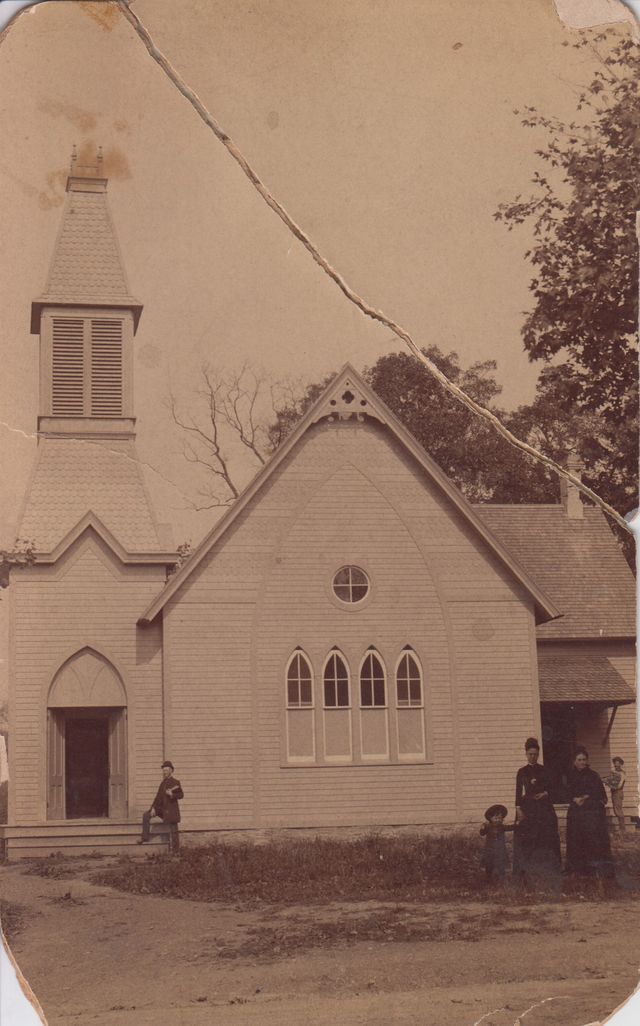
Below: Originally Published in the Southern Ulster Times, Wednesday, January 4, 2012
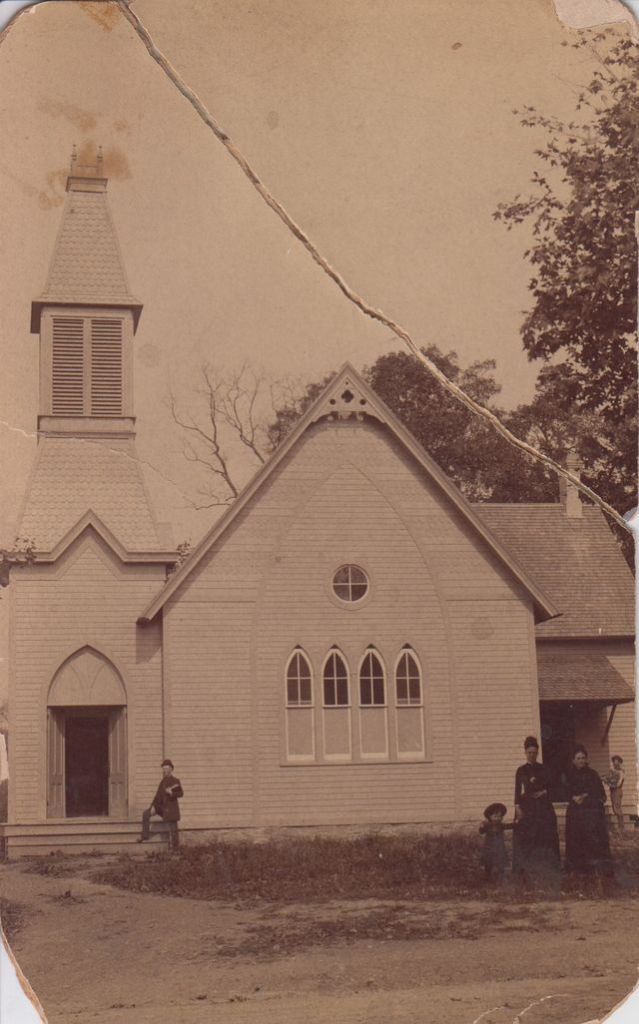
The hamlet of Clintondale lies partially within the Town of Plattekill and partially within the Town of Lloyd. For much of its history, the boundary between the two towns has meant little, as services such as fire protection and the education of children have been amicably shared between the two towns. During one point in the early 1900s, however, an issue arose that fiercely divided residents along the border of the two southern Ulster County towns. Plattekill had been a dry town for decades and, aside from the wines and ciders made by local farmers, the sale and distribution of alcohol was illegal. Lloyd permitted such sales, although in the rural region near Clintondale, there were few establishments that offered such temptations. With a history rooted in Quaker values and the strong presence of the Clintondale Women’s Christian Temperance Union (W.C.T.U.) in the area, the matter of alcohol sales was merely a subject for debate in Clintondale…until John Auchmoody of Ohioville made the decision to open a hotel in the hamlet with every intention of establishing a saloon under its roof.
The W.C.T.U. had long found that their efforts were supported in Plattekill, a no-license town where sales and distribution of liquor were not permitted. They focused much of their energy on towns such as Lloyd, where alcohol sales were legal and on Ulster County temperance activities in general. Auchmoody’s purchase of the former “Pinkham lot” in March of 1902 hardly seemed cause for concern, until he announced that he would be applying for a liquor license for his new hotel, just down the street from the Clintondale Post Office.
The heart of the issue was the location of Auchmoody’s hotel. Situated in the Town of Lloyd along what is present-day South Street, the property was within walking distance of the village of Clintondale and situated on the main road through the hamlet. In the minds of the W.C.T.U. members, the business could prove tempting to the local residents, business owners and their customers, and worst of all, to students of the nearby school. The W.C.T.U., led by Hulda Sutton (the undertaker’s wife), Olive Ryon (the Quaker minister’s wife and a minister herself) and Kate Covert, worried that after more than 30 years as a dry town, Plattekill residents might be unduly influenced and become lax in enforcing their own laws. It did not take long for the determined women of the W.C.T.U. to put other projects on hold and turn all of their attentions to stopping Auchmoody from moving forward. An emergency meeting was called for the purpose of brainstorming ideas. A plan was born when member Fannie Hull stepped forward to offer the use of some property she owned…which just happened to be the lot adjoining Auchmoody’s. Fully dedicated to the cause, Hull offered the use of her land to the organization for whatever purpose they decided upon.
The women, “all of whom thought they were doing their Christian duty” while “endeavoring to crush out the hotel” were well aware of existing Ulster County legislation that would greatly aid their case. Within towns that allowed the sale of alcoholic beverages, the laws on the books required the approval of all residents living within a 200-foot radius of the proposed site of a hotel or a saloon. Hull’s offer of her vacant lot meant one thing – the woman had to build a house and find a resident willing to stand up to Auchmoody.
The women began clearing Hull’s lot with picks and shovels, but many found that the tools were too heavy for them to work efficiently. Upon the suggestion of a member, they instead turned to light garden tools and were able to accomplish the task they set about to do. Their choice of tools caught the attention of passerby, and the story of their work spread quickly. Within a week, national newspapers were reporting on the efforts of the Clintondale women, who had turned their “sewing circle” into a “council of war.”
Once a large enough area was cleared, the same women began the job of constructing a small home by organizing a “building bee.” A reporter for a local newspaper commented on their efforts: “Tireless energy and no particular knowledge of carpentry were the requisites…they dug ditches, hauled stones over while the foundation was being built, and in various ways assisted with their presence and their efforts to erect the house so much needed, while their patient husbands were at home mending stockings, doing the cooking and singing nursery rhymes to their children who needed a mother’s attention.” Within a short time, a “simple hut,” stood just 100 feet from Auchmoody’s hotel where just a week before a vacant, overgrown lot had been.
The next step was securing a tenant. The woman advertised far and wide, making their intentions to use the house as a deterrent to Auchmoody’s business well-known. In January of 1903, the Christian Nation newspaper advertised that “if a tenant cannot be secured, one of the women will act as tenant and thus exclude the saloon.” A tenant was soon found for the new home, one who refused consent for the new hotel. Confident that the W.C.T.U. house was not a true residence, Auchmoody went ahead with his plans and opened his hotel. At the same time, he applied for and was granted a liquor tax certificate “to traffic in liquors at a hotel in Clintondale, in the County of Ulster” after stating on the record that no residences existed within 200 feet of his property. Abundant vineyards in both Plattekill and Lloyd made locally distilled wine cheap and available, and with his new license Auchmoody immediately began buy alcohol from local farmers.
The W.C.T.U. sought help from Olive Ryon’s husband Fred, minister of the Clintondale Friends Meeting. The Ryons, who were boarding with Fannie Hull, were staunch believers in temperance. Olive had readily joined the W.C.T.U. when they moved to Clintondale in an effort to promote the cause. The young couple appealed the county’s decision to grant Auchmoody a license and sought to have the liquor license annulled. In their appeal, Fred Ryon, represented by Ulster County District Attorney Charles F. Cantine, argued that Auchmoody’s establishment did not have the required number of rooms dictated by county code to be considered a hotel and that his guest register, also required by code, was simply a slip of paper on which two of Auchmoody’s friends had signed their names. He testified that none of the rooms in the building had the “required number of cubic feet of space” and that Auchmoody was running the establishment as a saloon rather than a hotel, which was a violation of his license. (It was found that Auchmoody had covered the windows of one room completely with heavy screens and shades; it was in this room he had been selling alcohol to local residents.) The W.C.T.U. scored a victory when Auchmoody’s license was revoked for not securing the consent of the surrounding property owners. Auchmoody claimed that he did not need the approval of the residents in the new house because it was not a legitimate dwelling; rather, it was a “shack” constructed “out of spite.”
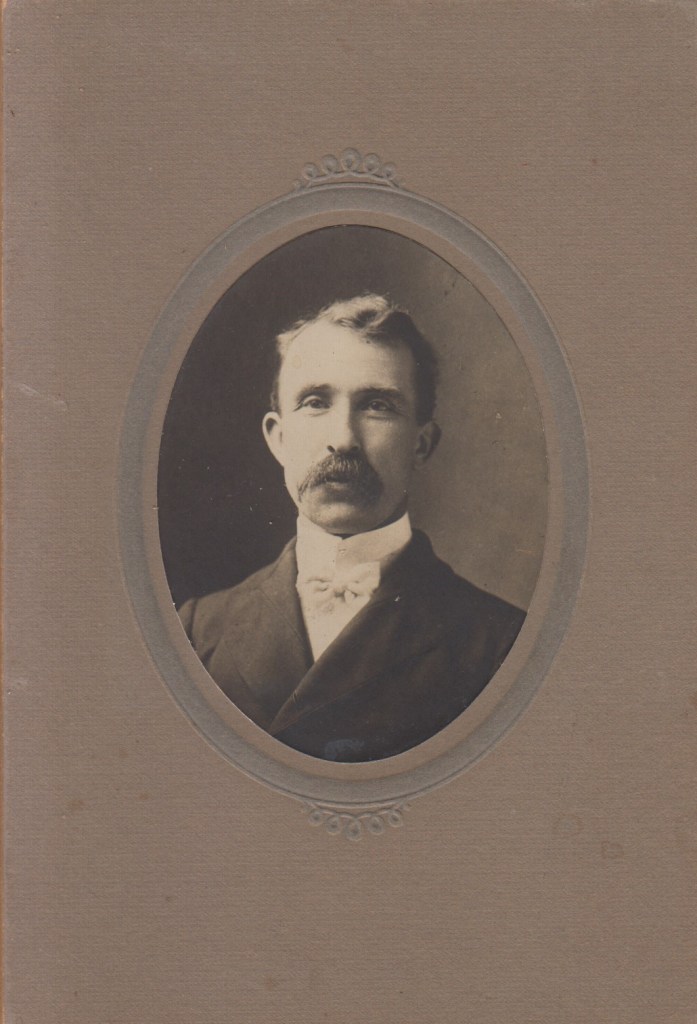
Kingston Judge John Van Etten felt otherwise and ruled that whatever motivated the building of the home was irrelevant, and the “Spite House,” as it came to be called, was a legitimate residence. Like Ryon, the judge believed that Auchmoody’s hotel was a poor cover for a saloon. The case moved to the State Supreme Court in Albany, where it was decided that liquor tax certificate No. 30, 326 would be revoked on the grounds that Auchmoody had made false statements on his application when he stated that there were no residences within 200 feet of his hotel.
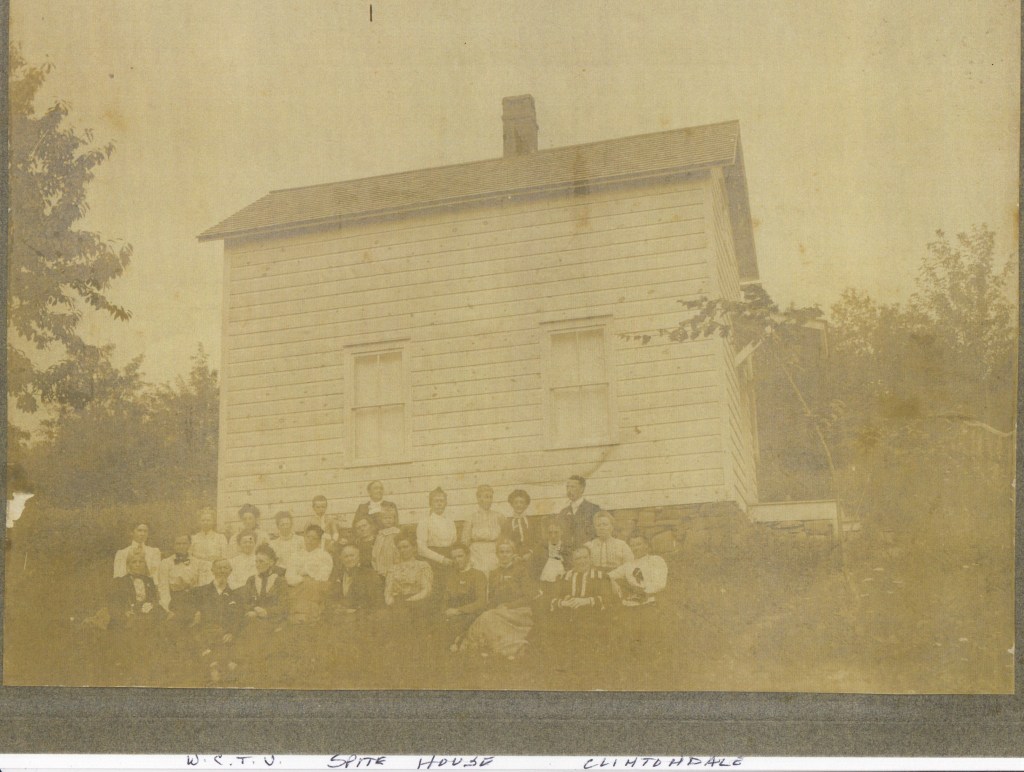
The decision did not sit well with Auchmoody’s supporters, and the fight took a bitter turn. The Spite House was burned to the ground in 1903 by unknown arsonists during a brief period of vacancy. Ryon wryly wrote of the incident, “the wind being favorable, no damage was done to the liquor selling establishment.” The arsonists were not satisfied with their work, however, and within weeks set fire to the home shared by Hull and the Ryons. Luckily the occupants discovered the fire in time and were able to put it out before much damage was done.
Auchmoody and his supporters were not done with the W.C.T.U. or the minister who was backing them. A second attempt was made in May of 1903 to burn the minister’s house down, when an unknown man doused the front porch in oil and set it on fire. A bright light outside caught Fred Ryon’s attention and he fired off several shots at a man fleeing from the property. Olive Ryon and Fannie Hull were able to stop the fire thanks to the full tubs of water they had been storing in the kitchen after the first attempt. A third attempt to set fire to the place was made shortly after. Perhaps frustrated by their thwarted efforts to chase the Ryons out of their home, the criminals began sending messages to Olive Ryon, threatening that she would “be made the sorriest woman that ever was.”
Ryon kept a written record of the events taking place within the town at this time and noted that “after the liquor license was revoked by the County Judge, the saloonist immediately secured a license in his wife’s name for the carrying on of the same unlawful business in the same place. Thus the business was protected by the liquor license system of the great State of New York.” Auchmoody won the next round in late 1903 when, unable to gain a certificate in his own name, he had his wife Elizabeth file for a license. Like her husband had done the first time, Elizabeth Auchmoody stated in her papers that there was no residence within 200 feet of the hotel The County granted her a hotel license on condition that the shaded rooms mentioned in the earlier appeal were updated to fit the standards of a hotel.
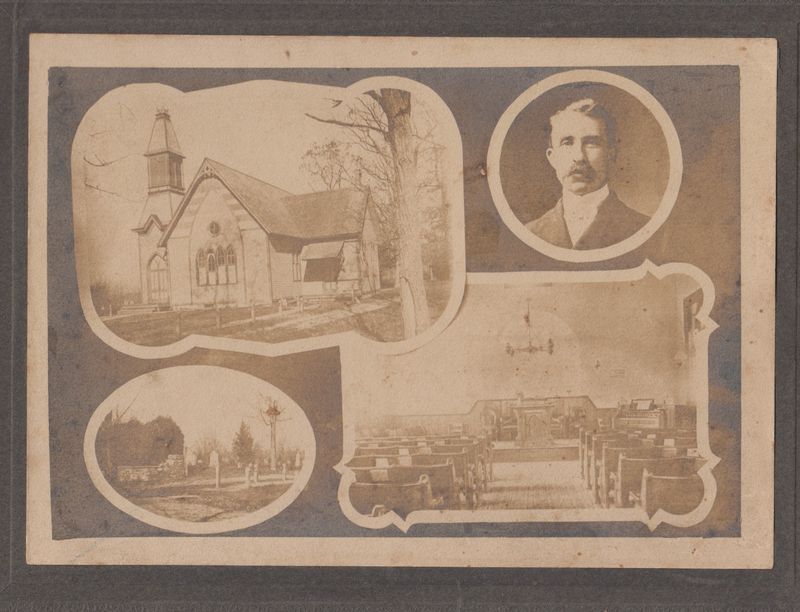
The Ryons vowed to keep up the fight, but eventually lost the insurance on the house they shared with Hull because of the ongoing attacks on their home and property. Congregants would take the family in for a night or two, but no one was willing to have the Ryons stay with them for an extended period, owning to the fear of fire. Forced to consider their own safety, Fred Ryon asked the Friends Meeting to research the possibility of building a parsonage that would offer more protection for his family. Members of the congregation stood firmly behind the Ryons and raised the needed funds to construct a new parsonage next to the meeting house on Crescent Avenue. The fight had taken a toll on the Ryons, however, who were worn down by “the strain and sleepless nights through which they had lived.”
J. Lindley Spicer, Yearly Meeting Superintendent met with the Ryons and encouraged them to leave for another town where they would be safe and could focus on their work. After taking his advice into consideration, the Ryons made the decision in the spring of 1904 to move to another congregation upstate. A 1939 history of the Clintondale Friends Meeting reports that “they suffered many hardships and much inconvenience as well as actual threats upon their lives, this by the liquor forces because of their dedicated stand.”
The members of the Clintondale W.C.T.U. continued their protest of Auchmoody’s saloon, but eventually the publicity surrounding the events died down and the Auchmoody hotel operated legitimately. It was later converted into a residence, which still stands today. The attention brought about by the lengthy fight in the early 1900s brought attention to the cause of temperance and membership rolls swelled for the Clintondale W.C.T.U. just in time for the women to turn their attention from temperance to the broader issue of Prohibition. As for the Ryons, while they returned to the town of Plattekill from time to time, they eventually devoted their efforts to the welcoming residents of Cayuga County, New York, where they were finally free from what Fred Ryon would later write of as the “Reign of Terror” that marked their ministry in Ulster County.
 Bygone Hudson Valley
Leave a comment